
She rolled her eyes before he finished speaking.
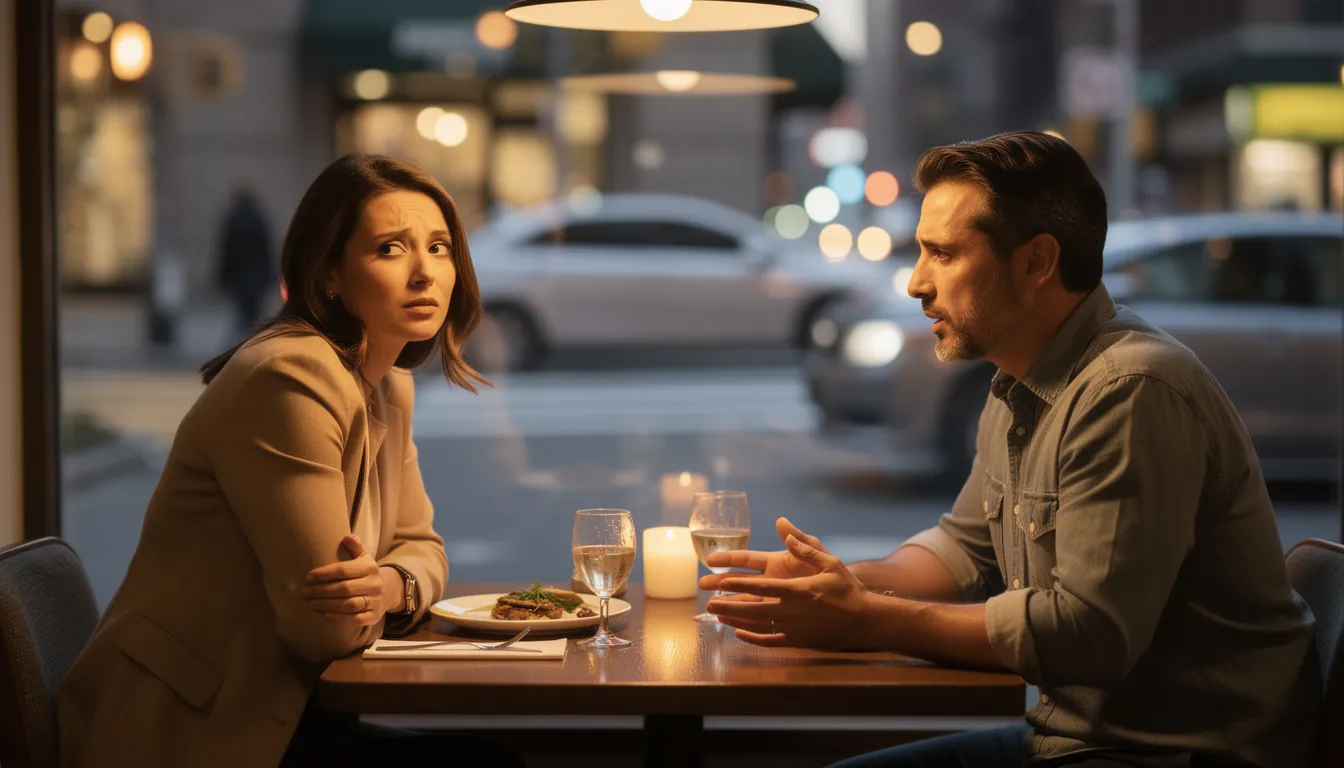
It was a small gesture. Almost imperceptible. But Marcus caught it from across the dinner table, and something inside him went cold.
He’d been explaining why he was late getting home. A meeting that ran over. Traffic on the FDR. Reasonable explanations. True explanations. And his wife Sarah responded with that look. The one that said his words weren’t worth hearing.
He stopped mid-sentence.
What was the point? She’d already decided he was guilty of something. The specifics didn’t matter anymore. What had once felt like real emotional connection now felt like a distant memory.
This moment, unremarkable as it might seem, represents one of the most destructive forces in any marriage. Not the explosive fights or the tearful confrontations. Something quieter. A silent relationship killer that destroys marriages from the inside out.
Contempt.
Dr. John Gottman and the Gottman Institute spent decades studying thousands of couples in research laboratories. They measured heart rates. Tracked facial expressions. Followed relationships for years. And they discovered that contempt in relationships predicts divorce more reliably than any other single factor. More than criticism, more than defensiveness, more than stonewalling.
The good news? What develops over time can also be unlearned. Couples can overcome contempt and rebuild trust when one or both partners commit to the work.
Overcoming the Destructive Grip of Contempt in Relationships: Strategies for Healing and Communication
Key Takeaways: What Is Contempt in a Relationship?
- Contempt differs fundamentally from other relationship issues. While criticism attacks behavior, contempt attacks your partner’s character. It communicates disgust and superiority, making your partner feel worthless rather than simply wrong.
- Contempt rarely appears suddenly. It builds from accumulated resentments, unresolved conflict, and communication breakdown. By the time eye rolling and sneers become habitual, significant repair work is needed.
- The antidote is a culture of appreciation. Research from the Gottman Institute shows that happy and unhappy couples handle conflict differently. Those who maintain fondness and admiration can replace contempt with genuine respect. This requires intentional effort and often professional guidance.
- Contempt damages mental health and physical wellbeing. Chronic exposure weakens immune systems and increases susceptibility to illness. The emotional toll includes depression, anxiety, and profound emotional disconnection.
How Contempt in Relationships Destroys Emotional Connection

Contempt isn’t always obvious. It hides in gestures and tones that partners learn to recognize but struggle to name. Understanding both verbal cues and non verbal cues helps you identify contempt before it causes relationship breakdown.
The Non Verbal Cues of Contempt
Eye rolling is the classic signal. That upward glance that says “I can’t believe I have to listen to this” without a single word. Sneering follows close behind. A curled lip. A dismissive smirk. A heavy sigh the moment your partner starts talking.
These facial expressions and dismissive body language communicate more than words ever could. They say: I am superior to you. Your thoughts don’t matter. You are beneath my consideration.
The Verbal Cues and Sarcastic Responses
Sarcasm becomes the weapon of choice. “Oh, that’s a brilliant idea” delivered with a tone that means the opposite. Mockery dressed up as humor. Name-calling, even supposedly playful nicknames that carry a sting. Couples Therapy in NYC can help address these negative communication patterns and support healthier ways of relating.
Hostile humor is particularly insidious. The joke that isn’t really a joke. A comment followed by “I’m just kidding” when everyone knows the truth underneath. These sarcastic responses erode emotional safety over time.
Why This Creates Emotional Distance
Here’s the crucial distinction: Criticism says “You did something wrong.” Contempt says “You are something wrong.”
You can recover from hearing that your behavior disappointed someone. Apologize, do better, make amends. But how do you respond to being told you’re fundamentally defective as a person? There’s nowhere to go. This communication breakdown creates emotional distance that widens with each contemptuous interaction.

Why Contempt in Relationships Leads to Relationship Failure
The Gottman Institute identified four communication behaviors they named the Four Horsemen of the Apocalypse: criticism, contempt, defensiveness, and stonewalling. All four damage relationships. Contempt stands apart as one of the most destructive forces, which is why many couples seek help from Gottman‑certified relationship experts.
Why? Because contempt leads to the death of healthy communication. When you believe your partner is beneath you, why would you negotiate? Compromise feels pointless. Listening seems futile.
What Research Shows About Happy and Unhappy Couples
Dr. Gottman’s research revealed striking differences between happy and unhappy couples. Those in fulfilling partnerships maintained positive interactions even during disagreements. They approached conflict with curiosity about their partner’s perspective rather than contempt.
Unhappy couples showed the opposite. Negative emotions dominated their interactions. Ambiguous behavior got interpreted negatively. The ability to give each other the benefit of the doubt.
This positive sentiment buffer protects healthy relationships from relationship failure, especially when partners learn to recognize and replace the Four Horsemen that damage relationships. Contempt destroys it completely.
The Impact on Mental Health and Physical Wellbeing
Contempt doesn’t just hurt feelings. It affects bodies and mental health in measurable ways.
Couples in contemptuous relationships have measurably weakened immune systems. They get sick more often. Wounds heal more slowly. Cortisol stays elevated under this kind of chronic stress, suppressing immune function and contributing to cardiovascular problems over time.
The partner receiving contempt experiences repeated activation of their fight-or-flight response. Heart rate elevates. Blood pressure rises. Living with contempt means living in a state of perpetual threat. Your nervous system never fully relaxes.
Depression and anxiety rates are significantly higher among people in an unhealthy relationship marked by contempt. The constant negative emotions erode psychological wellbeing in measurable ways.
“I tell couples that contempt isn’t just a relationship issue. It’s a health problem,” observes Travis Atkinson, LCSW, LICSW, founder of Loving at Your Best Marriage and Couples Counseling and one of the first Certified Gottman Method Couples Therapists in New York. “The research is clear. Living with contempt makes you physically sick. That’s not metaphor. It’s biology.”
The Contempt Cycle: How This Unhealthy Relationship Dynamic Feeds Itself
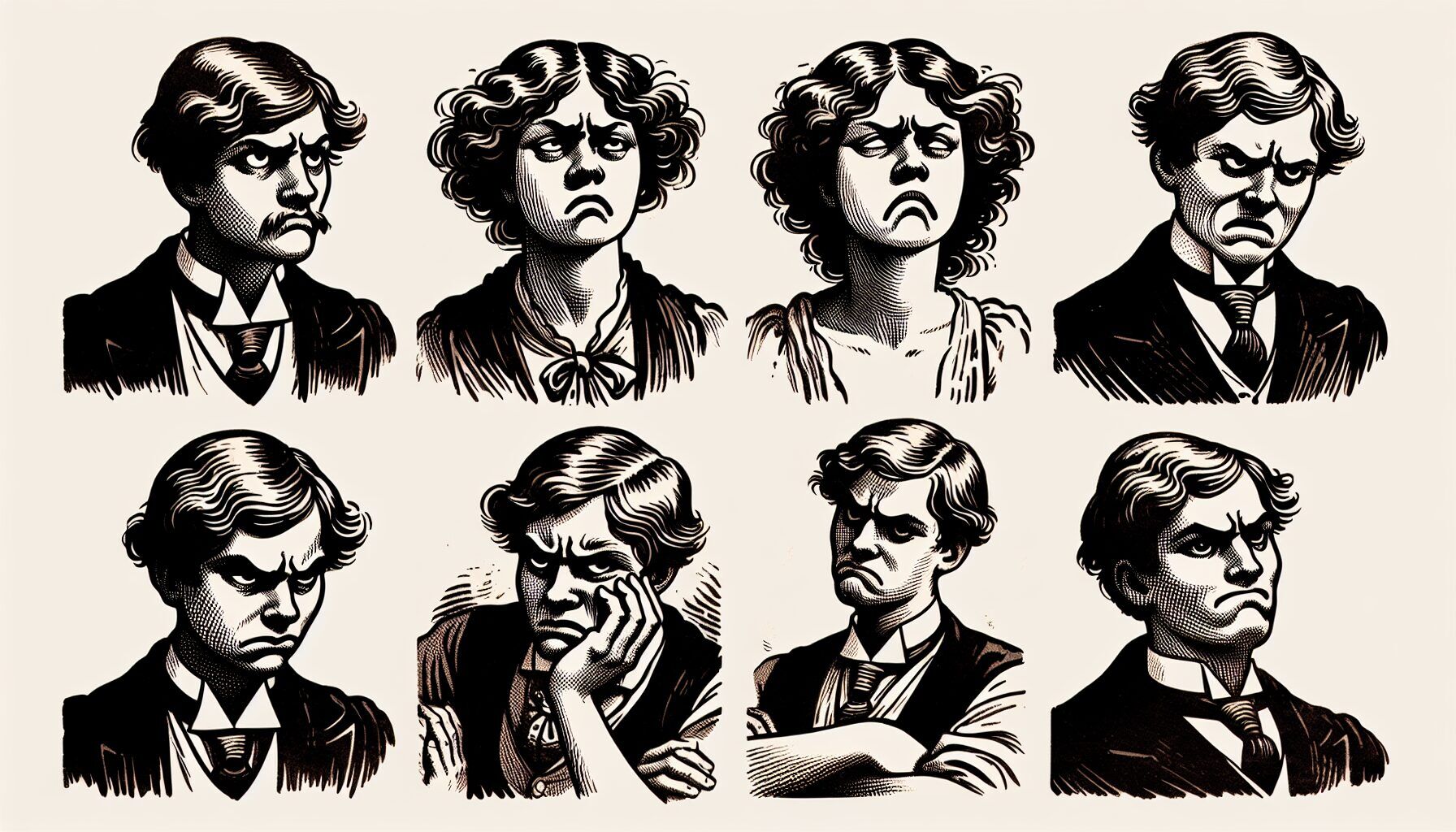
One partner expresses contempt. Shame leads the other partner to withdraw or counterattack. The contemptuous partner interprets that response as confirmation of their negative emotions about the relationship. “See? He can’t even handle a simple conversation.” This reinforces their sense of superiority, which leads to more contemptuous behavior.
Round and round it goes. The contempt cycle tightens with each repetition.
Adaptations on the receiving end tend to make things worse. They become hypervigilant, defensive, withdrawn. These adaptations then become new targets. “You’re so sensitive.” “Why do you always shut down?” This unhealthy relationship dynamic creates conflict escalation that damages marital stability, especially when withdrawal hardens into stonewalling and emotional shutdown.
“What makes contempt so dangerous is that it feeds itself,” Atkinson explains. “The partner expressing it rarely sees their own behavior clearly. They feel justified, convinced they’re just being honest. Meanwhile, every contemptuous interaction provides more evidence for their negative patterns of thinking. Breaking this contempt cycle requires someone outside the situation to interrupt it.”
A Story of Contempt in Relationships: How Unhappy Couples Find Their Way Back
David and Jennifer had been married for fifteen years when they sought couples therapy. Both were successful attorneys at major Manhattan firms, both exhausted, resentful, and convinced the other partner was the problem.
Their interpersonal dynamics were clear within minutes.
Jennifer would raise a concern. David’s facial expressions would shift almost imperceptibly: a slight tightening around the eyes, a subtle lift of the chin. Jennifer would see it and her voice would sharpen. David would respond with cool, measured logic. Jennifer would escalate. David would withdraw into silence.
They’d been doing this dance for years. Their current relationship bore little resemblance to what they’d once shared.
“Jennifer felt dismissed and invisible. David felt attacked and criticized,” recalls Atkinson. “Both had developed contempt as protection. Jennifer’s came out as sarcastic responses and eye rolling. David’s came out as cold superiority and withdrawal. Neither could identify contempt in their own behavior. Both you could see it clearly in the other.”

The Underlying Issues
In couples therapy, they discovered what was driving the contemptuous behavior.
Jennifer had grown up with a father who ignored her opinions. This unresolved trauma shaped her emotional state in adult relationships. When David’s face shifted, she saw her father’s dismissal all over again. Her contempt was a preemptive strike against being made to feel small.
David had grown up with a mother who criticized relentlessly. When Jennifer’s voice sharpened, he heard his mother’s disappointment. His contempt was a wall against feeling like a failure.
Neither was trying to hurt the other. Both were protecting old wounds. But their protection strategies were destroying their marriage.
How They Began to Overcome Contempt
“The breakthrough came when they could see what was happening instead of just living inside it,” Atkinson continues. “When Jennifer understood that David’s withdrawal wasn’t indifference but self-protection, something softened in her. Once David understood that Jennifer’s sharpness wasn’t attack but fear of being dismissed, he could stay present instead of shutting down. Neither one was a bad person. Good people stuck in an unhealthy relationship dynamic.”
Through intentional effort and effective communication skills, including tools drawn from Gottman Method Couples Therapy, they learned to rebuild trust and rebuild respect. Their relationship wellness improved dramatically within months.
Where Contempt in Relationships Comes From

Contempt doesn’t appear overnight. It grows from seeds that often go unnoticed. Understanding the underlying issues helps couples combat contempt before it destroys their fulfilling partnership.
Accumulated Resentment and Unresolved Conflict
Every unaddressed grievance adds to the pile. A forgotten birthday. Criticism in front of friends. The promises that never got kept. This unresolved resentment accumulates into a mountain of evidence that your partner doesn’t care.
Over time, this evidence hardens into a verdict. Once that verdict is reached, contempt follows naturally. Without direct communication about these underlying issues, resentment festers.
Unmet Needs and Communication Breakdown
Underneath most contempt lies a need that went unmet for too long. The need to feel respected. Valued. Like a priority.
When these needs go unfulfilled despite repeated requests, frustration turns to hopelessness. The contemptuous partner has often stopped asking for what they need. They’ve concluded that asking is pointless. So why bother? This resignation breeds the superiority at contempt’s heart.
Healthy communication requires emotional safety. When that safety erodes, partners stop sharing their partner’s perspective openly, and the core ingredients of feeling seen, safe, soothed, and secure in a relationship begin to break down.
Misaligned Core Values and Worldviews
Sometimes contempt emerges when partners discover fundamental differences in core values. One prioritizes career advancement while the other values family time. Saving versus spending on experiences becomes another flashpoint.
When core values clash repeatedly without resolution, each partner can start viewing the other as wrong rather than simply different. This judgment opens the door to contempt.
Learned Behavior and Unresolved Trauma
Someone who grew up watching a parent treat the other with contempt may have learned this is how relationships today work. Someone who experienced contempt as a child may use it unconsciously as an adult. This unresolved trauma shapes their emotional state in intimate relationships.
These behaviors run deep. They operate automatically. Changing them requires self awareness and often professional guidance.
Empathy: The Opposite of Contempt

Practicing empathy is one of the most powerful ways to combat contempt and rebuild emotional connection. When you genuinely try to understand your partner’s perspective, contempt becomes nearly impossible to maintain.
Here’s why: Contempt requires certainty. You know your partner is wrong, thoughtless, inferior. Empathy introduces uncertainty. What if there’s something I’m not seeing? Something they’re carrying that I don’t yet understand?
These questions create emotional safety for your partner to be more than your negative assumptions.
How to Practice Active Listening and Empathy
Before responding with contempt, pause. Ask yourself: What might my partner be feeling right now? What need might be driving their behavior? If I were in their position, with their history, how might I be acting?
This doesn’t mean excusing bad behavior. It means understanding it. Active listening means truly hearing your partner’s perspective without formulating your rebuttal. When you can see your partner’s actions through the lens of their fears and unmet needs, the urge to sneer or roll your eyes diminishes.
“Empathy is contempt’s opposite,” Atkinson observes. “You cannot hold someone in contempt while genuinely trying to understand their experience. The two states are mutually exclusive. Couples who learn to lead with curiosity instead of judgment find that conflicts stop escalating into serious arguments. They’re addressing the same issues, but from a completely different stance. This shift in interpersonal dynamics changes everything for couples working toward a happy, long‑lasting marriage.”
Building a Culture of Appreciation to Replace Contempt

Research from the Gottman Institute identified a specific antidote: building what they call a “Culture of Appreciation.” This relationship framework isn’t about ignoring problems or forcing positivity. It’s about intentionally cultivating what contempt destroys, often by practicing healthy couple goals that strengthen communication. For further strategies on dealing with a defensive husband or wife, see these effective approaches.
Instead of cataloging your partner’s failures, you actively notice and appreciate their positive qualities. Good behavior gets acknowledged rather than taken for granted. When something feels off, rather than assuming negative intent, you remember that this is someone you chose.
What Healthy Communication Looks Like Daily
Express appreciation each day. Not generic praise. Something specific: “I noticed you handled that call with your mother really well.”
Recall positive memories together. “Remember when we took that trip to Maine?”
Acknowledge effort, even when results aren’t perfect. “I know you tried to get home early. Thank you.”
Notice small things. “Thanks for making coffee this morning.”
These statements might feel awkward at first, especially for unhappy couples who’ve been living with contempt. Do it anyway.
Why Positive Interactions Rebuild Genuine Respect
Research shows that stable relationships maintain at least a 5:1 ratio of positive interactions to negative ones. Building appreciation is how you restore that ratio after contempt has eroded it.
“At first, it feels forced,” Atkinson acknowledges. “Couples tell me it feels fake. But here’s what the research shows: couples who practice appreciation, even when it feels mechanical, start to genuinely feel more appreciative. The behavior creates the emotion, not the other way around. I’ve watched unhappy couples who could barely look at each other start to rediscover genuine respect and emotional connection through this practice.”
How to Identify Contempt in Your Own Behavior
Most people expressing contempt don’t realize they’re doing it. The behavior feels justified. It feels like truth-telling. Developing self awareness about your own contemptuous behavior is essential.
Ask yourself: Do you find yourself thinking your partner is stupid, incompetent, or inferior? Do you replay their failures in your mind? Does something about them feel genuinely disgusting now?
When you talk to friends about your partner, is your tone mocking? Do you share stories that make them look bad?
Recognizing the Signs Early
Notice your body when interacting with your partner. A tightening in your face. A desire to roll your eyes or look away. These physical sensations often precede contemptuous words. Learning to recognize the signs early gives you a choice about what happens next.
Notice your thought patterns. Contempt lives in generalizations. “You always…” “You never…” “You’re so…” These negative patterns flatten your partner’s character into a caricature. They erase complexity and nuance.

How to Overcome Contempt: Practical Strategies That Work
While couples therapy often proves necessary for entrenched patterns, several strategies help couples combat contempt and rebuild trust, especially when additional challenges like ADHD‑related relationship struggles are part of the picture.
Take Responsibility and Develop Self Awareness
This doesn’t mean accepting blame for everything wrong in your relationship. It means recognizing that your contempt is your response, shaped by your history and your choices. You can learn different responses. Personal growth requires this kind of honest self awareness.
Use Direct Communication Instead of Contempt
Contempt often substitutes for direct communication. Instead of asking for what you need, you punish your partner for not providing it. Learning to express needs clearly reduces the need for contempt.
“When you work late without telling me, I feel like I’m not a priority” is different from “Of course you’re late. You never think about anyone but yourself.”
Effective communication means stating your needs directly rather than attacking your partner’s character.
Create Emotional Safety During Non Conflict Hours
Don’t try to resolve underlying issues when emotions are running high. Use non conflict hours to have calm conversations about what’s not working. This creates emotional safety for both partners to be vulnerable.
Choose Curiosity Over Certainty
Contempt thrives on certainty. You know what your partner is thinking. You’re certain why they did what they did, and you’re sure their motives are bad.
Curiosity dissolves contempt. When you genuinely ask “Help me understand why you did that,” you create space for your partner to be more than your negative assumptions. This shift in communication skills can transform an unhealthy relationship.
When Couples Therapy Becomes Essential
Some couples can overcome contempt through their own intentional effort. Many cannot.
When contempt has been present for years, professional guidance is likely needed. Trying to change it alone without success is important information. When you can’t remember the last time you felt genuine respect toward your partner, something needs to shift.
A qualified therapist offers what you can’t give yourselves: an outside view of your situation. Those interpersonal dynamics that feel invisible from inside become visible to a skilled outside eye. What’s happening gets named in ways that create new options for your fulfilling partnership.
Couples therapy also provides emotional safety. Attempting to address contempt without a skilled guide can backfire. Old wounds get reopened without being healed. Conversations escalate.
“Contempt is complex because it has multiple roots,” Atkinson notes. “The Gottman Method gives us concrete tools for building appreciation and healthy communication. Emotionally Focused Therapy helps us understand the attachment fears driving the contemptuous behavior. Schema Therapy addresses the childhood experiences and unresolved trauma that made contempt feel necessary. Couples dealing with entrenched contempt usually need all of these perspectives working together, ideally with support from top‑rated couples therapists in NYC.”

Building a Stronger Relationship: Moving Beyond Contempt
Building a stronger relationship after contempt has taken root is not only possible, it’s a journey that can lead to deeper emotional connection and a more fulfilling partnership. Contempt is often called the silent relationship killer because it quietly erodes mutual respect and trust, setting the stage for relationship failure if left unchecked. But with intentional effort and the right strategies, couples can overcome contempt and create a healthier, more resilient bond.
The first step in moving beyond contempt is recognizing its early signs. Eye rolling, sarcastic responses, and dismissive body language are more than just fleeting gestures, they are powerful non verbal cues and verbal cues that signal underlying issues in the relationship. When these contemptuous behaviors become routine, they create emotional distance and foster an unhealthy relationship dynamic. By becoming more aware of these patterns, both you and your partner can take proactive steps to address them before they escalate.
Addressing contempt means looking beneath the surface to identify the unresolved conflict, negative emotions, and unhealthy relationship dynamics that fuel it. Often, contempt grows out of unmet needs, unspoken resentments, and communication breakdowns. Direct communication is essential: instead of letting frustration simmer, express your feelings and needs openly and respectfully. This shift from contemptuous behavior to healthy communication is a cornerstone of rebuilding trust and genuine respect.
Couples therapy can be a transformative resource for partners struggling with contempt. A qualified therapist, especially one trained in approaches like those from the Gottman Institute, can help you identify the roots of contempt, develop effective communication skills, and create emotional safety. Professional guidance offers a structured environment to practice new ways of relating, break negative patterns, and foster positive interactions.
Outside of therapy, couples can take daily steps to strengthen their relationship. Practicing active listening, truly hearing your partner’s perspective without judgment, helps rebuild emotional connection. Expressing appreciation for small acts and positive qualities shifts the focus from what’s wrong to what’s working. These positive interactions, even if they feel awkward at first, lay the groundwork for mutual respect and a more supportive environment.
It’s also important to monitor your own facial expressions, tone of voice, and body language. Non verbal cues often communicate more than words, and being mindful of them can prevent contempt from taking hold. If you notice yourself slipping into old habits, pause and choose a more constructive response. This self awareness is key to personal growth and relationship wellness.
Relationships today face many challenges, but contempt does not have to be a permanent barrier. By prioritizing healthy communication, emotional safety, and intentional effort, couples can overcome contempt and build a partnership that is both resilient and rewarding. Remember, every relationship encounters difficulties, but with the right tools, resources, and support, you can move beyond the destructive forces of contempt and create a loving, lasting connection.
If you recognize signs of contempt in your relationship, don’t wait for things to get worse. Seek professional guidance, practice direct communication, and commit to positive change. With dedication and support, you and your partner can transform your relationship and rediscover the joy and intimacy you both deserve.

Online Couples Therapy for Manhattan and Brooklyn Couples
Most couples at Loving at Your Best work with Travis Atkinson through video sessions. For professionals managing demanding careers, coordinating two complex schedules for in-person appointments creates a barrier that delays help for months.
Online couples therapy removes that barrier. Log on from your office during lunch. Connect from home after the kids are asleep. One couple mentioned they’d put off seeking help for three years because they couldn’t figure out the logistics. Video sessions made it possible.
Research supports video-based couples therapy as equally effective to in-person work. Many couples find they engage more openly from their own living room.
Why Manhattan and Brooklyn Couples Choose Loving at Your Best for Relationship Wellness
Accomplished, thoughtful people find their way to this practice. Most have built lives that demand a great deal: intense careers, full calendars, constant decisions. What brings them to couples therapy isn’t weakness. It’s the recognition that something important isn’t working in their current relationship.
Travis Atkinson has been a Certified Gottman Method Couples Therapist since 2006, one of the first in New York to earn this certification. His approach integrates the Gottman Institute’s relationship framework with Emotionally Focused Therapy, Schema Therapy, CBT, and mindfulness practices.
For couples dealing with contempt in relationships, this combination matters. You get both immediate communication skills and deeper healing for relationship wellness. A qualified therapist can help you rebuild respect and create a healthy relationship.
Straight couples and LGBTQ+ couples both work with this practice. Same-sex couples navigate specific stressors around family acceptance and growing up in a culture that questioned their right to love openly. That context matters, and Travis understands it.
“What I’ve learned after nearly thirty years is that contempt isn’t a death sentence for relationships today. It’s a signal that something needs attention. Couples who take it seriously, who seek help before it causes permanent relationship breakdown, often discover something unexpected. They can build a fulfilling partnership better than what they had before. The breakdown becomes a breakthrough. When partners commit to the work, I’ve watched it happen hundreds of times.”
If You Recognize Contempt in Your Relationship
Perhaps you’ve been rolling your eyes more than you’d like to admit. Maybe you’ve noticed your partner’s contempt toward you, or you’ve been living with this unhealthy relationship dynamic for so long it feels normal.
It’s not normal. And it doesn’t have to continue.
Most couples wait too long. They hope contempt will fade on its own, convincing themselves it’s not that bad. Meanwhile, the damage to their emotional connection accumulates.
Ready to understand what’s happening in your relationship? Loving at Your Best can help you identify contempt, see the dynamics you’ve been living inside, and learn healthy communication skills. Online sessions make it possible to fit couples therapy into demanding schedules.
Schedule a consultation through the website. The conversation is an opportunity to describe what’s happening and hear how the work might address it. Many couples find that simply naming what’s going on brings relief and sparks personal growth.
Your relationship wellness is worth setting up that online appointment for couples therapy.

Frequently Asked Questions
What is contempt in a relationship?
Contempt in relationships is communication that expresses disgust and superiority toward your partner. Unlike criticism, which addresses behavior, contempt attacks your partner’s character. It shows up as eye rolling, sneering, sarcastic responses, mockery, and hostile humor. The underlying message is: I am better than you, and you are beneath my consideration. This contemptuous behavior signals a profound lack of mutual respect.
Why is contempt the biggest predictor of relationship failure?
Contempt predicts relationship failure because it attacks the foundation relationships need: mutual respect. When you hold your partner in contempt, productive problem-solving becomes impossible. Why would you negotiate with someone you consider inferior? Contempt also destroys positive sentiment, the cushion of goodwill that helps couples weather difficult moments. Without that protective factor, every conflict threatens marital stability.
How does contempt affect mental health and physical wellbeing?
Chronic exposure to contempt weakens the immune system, making partners more susceptible to illness. The constant stress and negative emotions keep cortisol elevated, suppressing immune function and contributing to cardiovascular problems. Partners receiving contempt show higher rates of depression and anxiety. Mental health suffers significantly in an unhealthy relationship marked by contempt. Living with contempt is a genuine health risk affecting both partners.
What causes contempt to develop in unhappy couples?
Contempt typically grows from accumulated resentments, unmet needs, and unresolved conflict over time. When partners feel consistently unheard or dismissed, frustration hardens into contempt. Communication breakdown that allows resentment to build, misaligned core values, and unresolved trauma all contribute to this unhealthy relationship dynamic.
How can I identify contempt in my own behavior?
Developing self awareness is key. Ask yourself: Do I think my partner is stupid or inferior? Do I replay their failures? When talking to friends, is my tone mocking? Watch for eye rolling, sneering, and sarcastic responses in yourself. Notice the signs early: a tightening in your face, a desire to look away. These physical sensations often precede contemptuous words.
How is contempt different from criticism?
Criticism attacks behavior: “You forgot to call me.” Contempt attacks your partner’s character: “Of course you forgot. You never think about anyone but yourself.” Criticism identifies something fixable. Contempt renders a verdict on who your partner is, leaving no path forward. This distinction matters for relationship wellness.
How do I overcome contempt and rebuild trust?
Building a Culture of Appreciation is the research-backed antidote. This means intentionally noticing and expressing appreciation, remembering why you chose your partner, acknowledging their efforts. Daily express appreciation for specific things. Practice active listening. Use direct communication about needs rather than contemptuous attacks. These strategies help couples overcome contempt and rebuild genuine respect.
How can I practice empathy when experiencing contempt?
Pause before reacting. Consider your partner’s perspective: What might they be feeling? What need drives their behavior? If I carried their history, how might I act? Contempt requires certainty that your partner is wrong. Empathy introduces curiosity, which makes contempt nearly impossible to maintain. Understanding your emotional state helps you respond rather than react.
Can a relationship recover from the contempt cycle?
Yes. Couples can overcome contempt with intentional effort and often professional guidance. Happy and unhappy couples differ primarily in how they handle conflict and whether they maintain positive interactions. Couples who combat contempt and address underlying issues can replace contempt with genuine respect. Many discover they can build a fulfilling partnership stronger than before.
What happens in the first couples therapy sessions?
Assessment comes first. A qualified therapist evaluates your relationship across multiple dimensions: friendship, intimacy, conflict, and shared meaning. This isn’t about blame. It’s about understanding the unhealthy relationship dynamic you’ve created together. After assessment, you learn effective communication and practice new approaches with real relationship issues from your life.
Is couples therapy right for successful, high-functioning couples?
Yes. Professional success and relationship failure can coexist. Seeking expertise for something complex is what thoughtful people do in every area of life. Many Manhattan and Brooklyn professionals find that couples therapy provides the relationship framework they need.
What if one partner is hesitant about therapy?
Common situation. One partner often feels more urgency while the other partner isn’t sure therapy is necessary. A consultation can clarify what the work involves without requiring commitment. Many hesitant partners find that experiencing one session shifts their perspective. For example, Travis Atkinson: A Leader in Couples Therapy offers insights from decades of experience in helping couples navigate these dynamics.
How do we get started with Loving at Your Best?
Schedule a consultation through the website. The conversation is an opportunity to describe what’s happening in your current relationship and hear how the work might help. Many couples find that naming what’s going on brings immediate relief and opens the door to personal growth and relationship wellness.
Ready to Transform Your Relationship?
Travis Atkinson, LCSW, specializes in evidence-based couples therapy including the Gottman Method, EFT, and Schema Therapy, for couples in NYC and online. Take the first step today.