The Loving at Your Best Plan
Three methods. One plan. The most comprehensive approach to marriage and couples counseling in NYC.

01 · Gottman Method
Spot what’s killing your relationship
A tone of voice. An eye roll you think goes unnoticed. The way one of you leaves the room mid-sentence. These moments are patterns, and patterns can be replaced. Travis has spent over 25 years reading them in real couples.
accuracy identifying the moments that predict whether a relationship lasts
02 · Schema Therapy
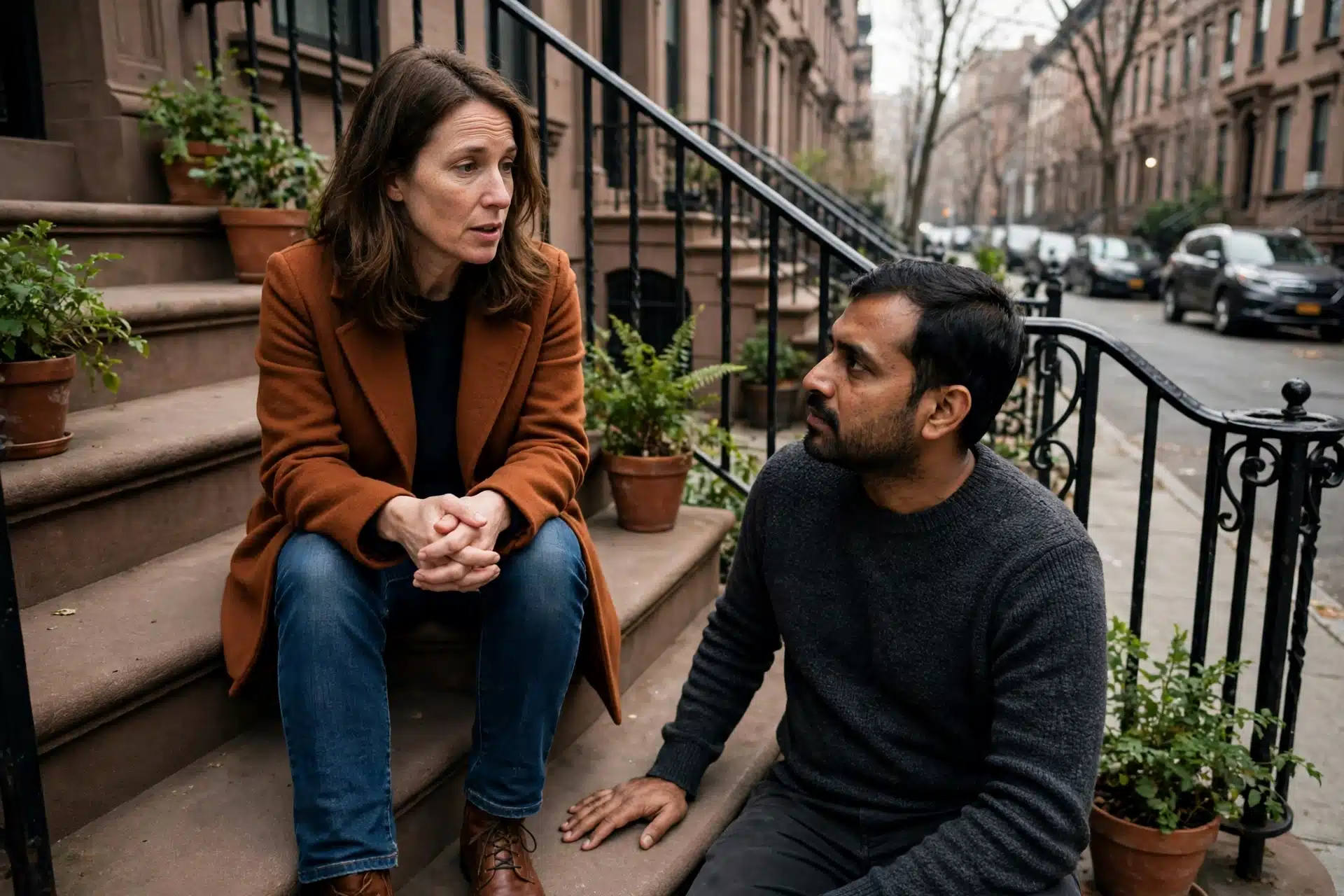
Break the fight you keep having
Different trigger every time. Same explosion, same aftermath, same silent morning after. That fight is a pattern with roots older than your relationship, and it has a specific treatment. Travis co-created Schema Therapy for couples.
of couple conflicts stem from deeper sensitivities that surface-level work misses

03 · Emotionally Focused Therapy
Reach for each other again
Asking for closeness started feeling like begging. Showing vulnerability started feeling like losing. EFT rewires how you and your partner respond to each other, so reaching out feels safe again. Travis trained with founder Dr. Sue Johnson and built the first EFT program for same-sex couples with her.
of distressed couples recover with EFT, and 90% improve significantly

Who you'll work with
Travis Atkinson didn't just learn couples therapy from a textbook. He learned it from the people who wrote them.
Most therapists who list Schema Therapy took a workshop. Travis helped build the field.
- 1994 — Began training with Jeffrey Young, the creator of Schema Therapy.
- 1998 — Joined Young's center in New York, where he stayed close to two decades and co-created Schema Therapy for Couples.
- 2006 — Began training with Sue Johnson, founder of Emotionally Focused Therapy. Became a Certified Gottman Method Therapist the same year, one of the earliest in New York.
- 2008 — Co-founded the International Society of Schema Therapy (ISST). Certified Advanced Schema Therapist, Supervisor & Trainer for Individuals & Couples.
- 2008 — Certified Emotionally Focused Therapy for Couples Therapist.
- 2010 — Certified Emotionally Focused Therapy for Couples Supervisor.
- 2014–2020 — Media Coordinator of ISST.
- 2020 — Awarded Honorary Lifetime Membership by the International Society of Schema Therapy, the society he co-founded.
- 2025–present — VP of Media for JYSTA, the Jeff Young Schema Therapy Association.
More than three decades of this work have given him something no certification alone provides: the ability to read a relationship in the first session, name what is happening underneath the arguments, and build a plan that fits your specific dynamic instead of following someone else's script.
Read Travis's full story →
What couples work on with Travis
Where your relationship is stuck matters. So does who you choose to help.

The distance is the symptom
Every couple arrives with a different version of the same question: can this get better? The honest answer is that it depends entirely on who you work with. Most couples don't know that the therapist they are trusting with their marriage probably has almost no formal training in couples therapy.
of couples report their therapist made statements that actively undermined their relationship, including suggesting divorce or calling a partner's personality the problem.
Contemporary Family Therapy, 2024
Travis doesn't pick one method and hope it fits. He integrates all three into the Loving at Your Best Plan, because relationships break in more than one dimension, and no single approach captures the full picture.
What couples work on with Travis
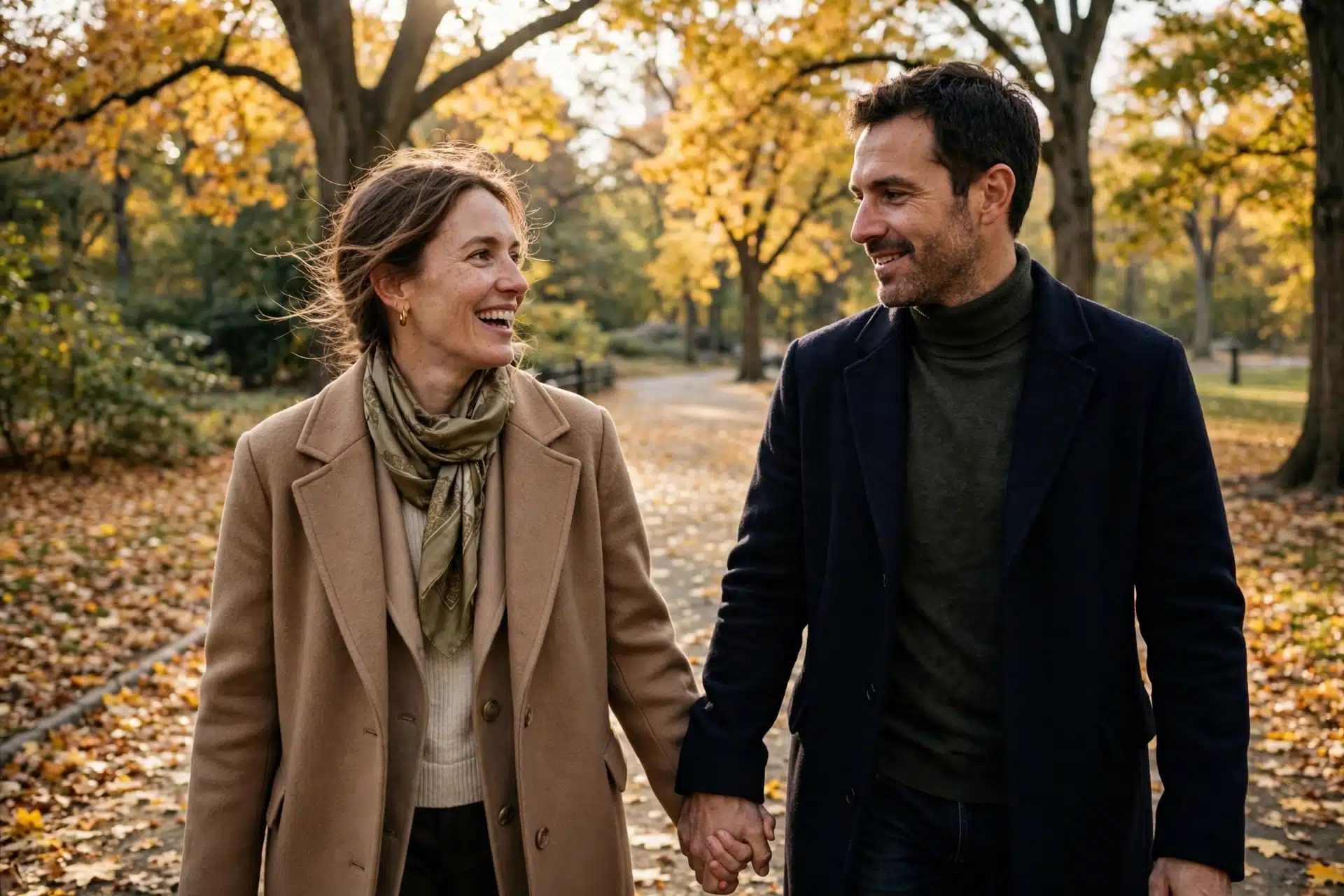
Communication That Keeps Breaking Down
You’ve said the same thing fourteen different ways, and none of them landed. Travis finds where your conversations derail and why repair attempts keep failing.
READ MORE →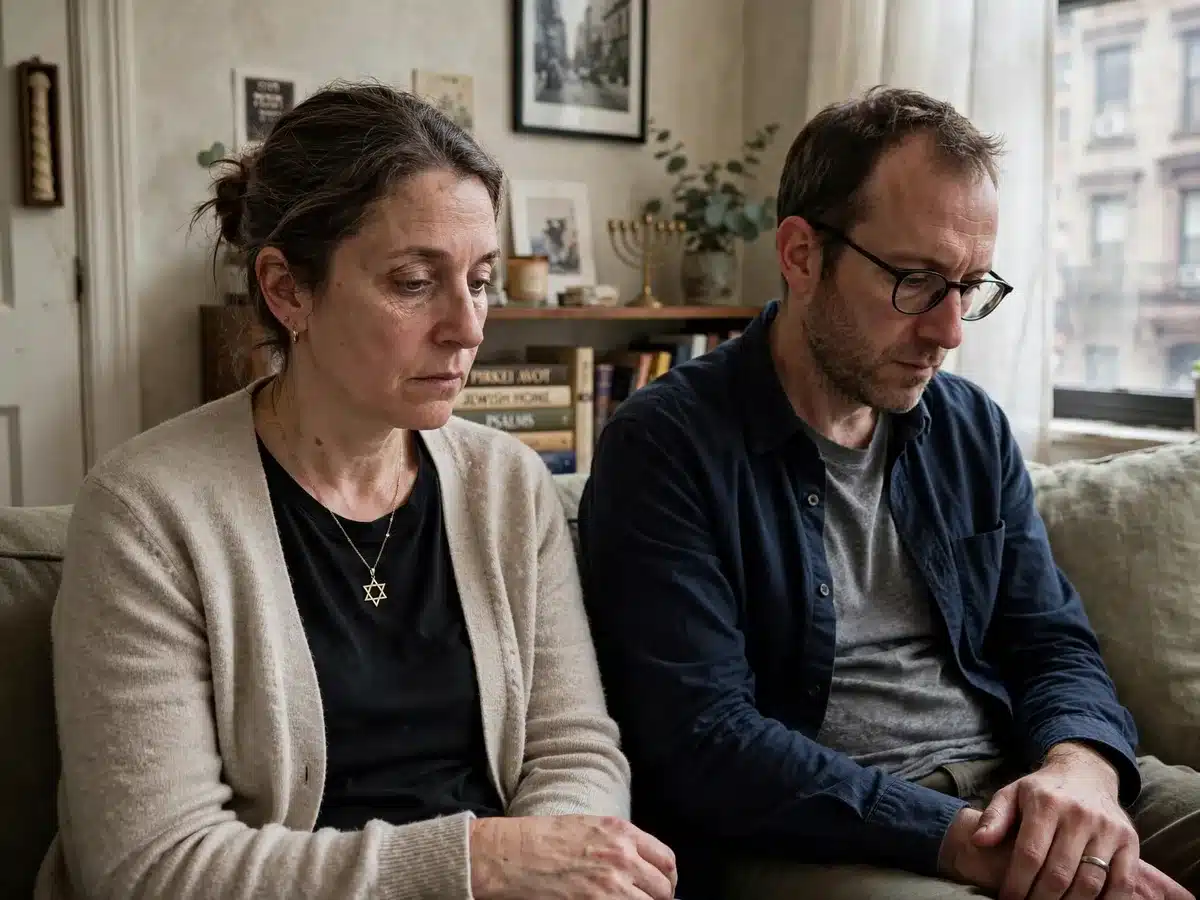
Trust After Betrayal
Something was discovered, and the ground hasn’t felt solid since. Betrayal recovery is one of the most complex areas in couples therapy, and most therapists aren’t trained for it. Travis is.
READ MORE →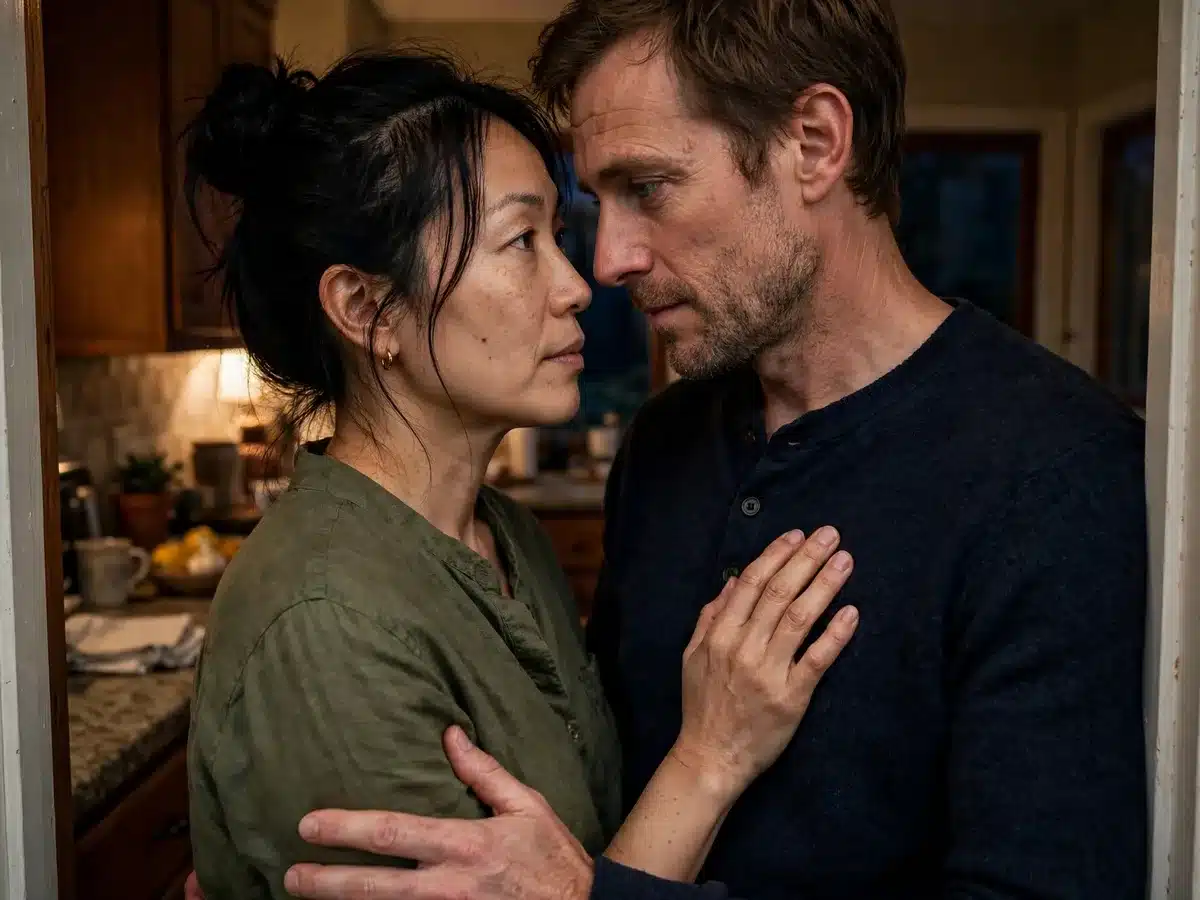
Intimacy and Desire
It’s not that you don’t love each other. Somewhere along the way, reaching for each other stopped feeling natural. Travis works on what’s underneath the distance, not around it.
READ MORE →
In-Law and Family Tension
Outside pressure from extended family can quietly corrode a marriage from the edges inward. Travis helps couples set boundaries without choosing between their marriage and their family.
READ MORE →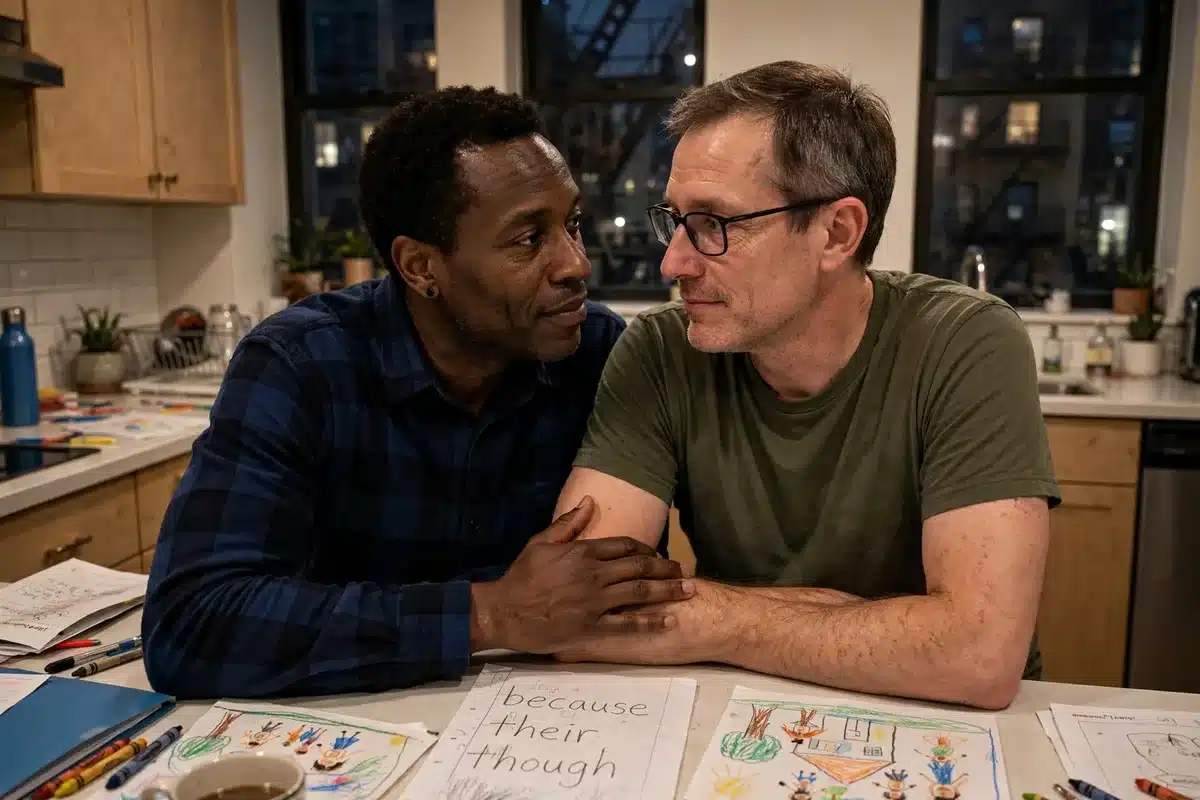
Parenting Conflicts
You’re supposed to be on the same team. Lately it feels more like opposing counsel. Travis helps couples stop fighting over the kids and start parenting together.
READ MORE →
ADHD and Your Relationship
One of you forgot the plan, again. The other is exhausted from carrying the mental load for two. Travis specializes in the specific patterns ADHD creates between couples.
READ MORE →
OCPD in Relationships
Rigidity, control, impossible standards, and a partner who feels like nothing they do is ever good enough. Travis works with both sides of it, without pathologizing either partner.
READ MORE →
Autism Spectrum and Your Relationship
One of you processes the world through logic and structure. The other needs to feel emotionally met. The love is often there. The signal keeps getting lost between you.
READ MORE →
Communication That Keeps Breaking Down
You've said the same thing fourteen different ways. None of them landed. Travis identifies where your conversations derail and why repair attempts keep failing.
Online marriage and couples counseling in NYC
You’ve spent real time on this page. That means something.

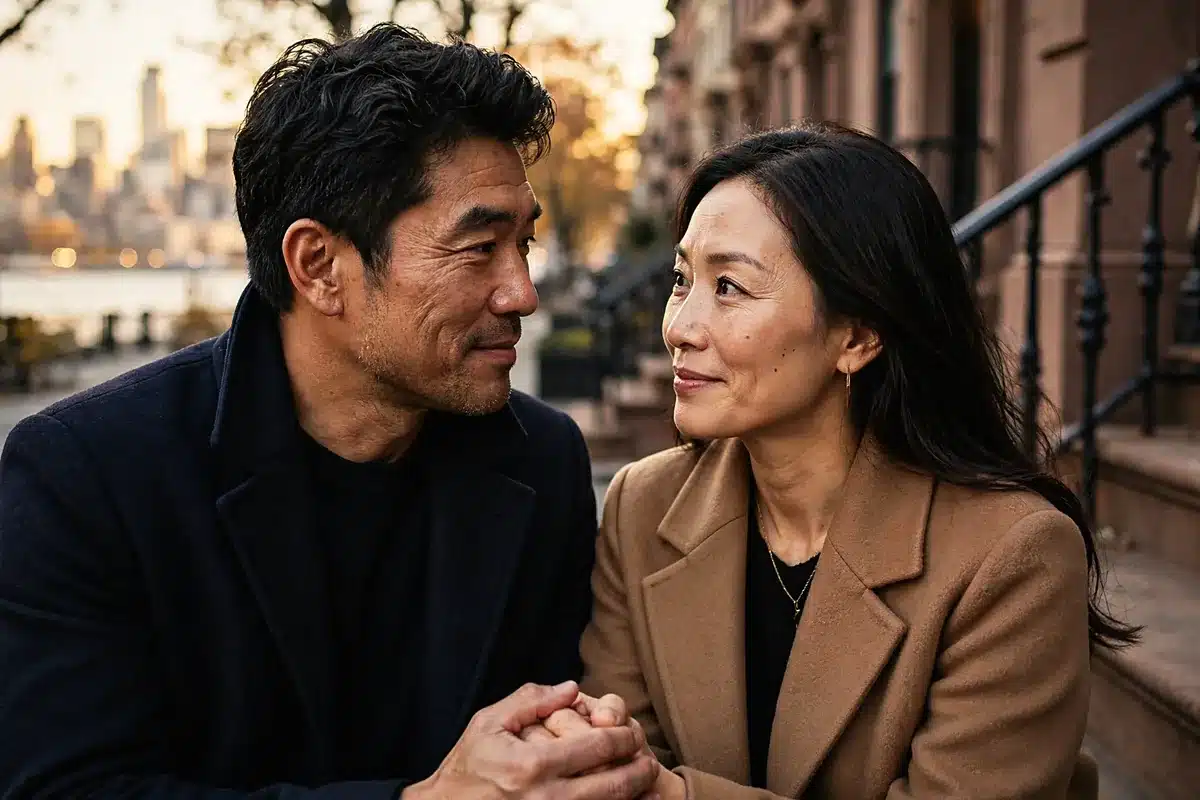
The couples who work with Travis are not looking to merely survive. They are protecting a life they have built together, a partnership, a family, a future, and they want it handled with the expertise that life deserves.
Couples sessions with Travis start at $450.
We are out of network and provide superbills for reimbursement.
After an initial assessment phase, couples who continue can reserve their work through preferred-client session plans. Travis takes on a limited number of couples to protect the depth and continuity of the work.
SIX YEARS. THAT'S HOW LONG MOST COUPLES WAIT.
Six years of the same argument. Six years of sleeping on opposite sides of the bed. Six years of telling yourself it's not bad enough, that other couples have it worse, that you should be able to figure this out on your own.
Couples who begin therapy sooner and work with a therapist trained in evidence-based methods see dramatically better outcomes. Couples who wait, and who land with an untrained therapist, often leave believing their relationship was the problem. It wasn't. The approach was.
You don't need another six years to know what you already know.
BOOK YOUR FIRST SESSION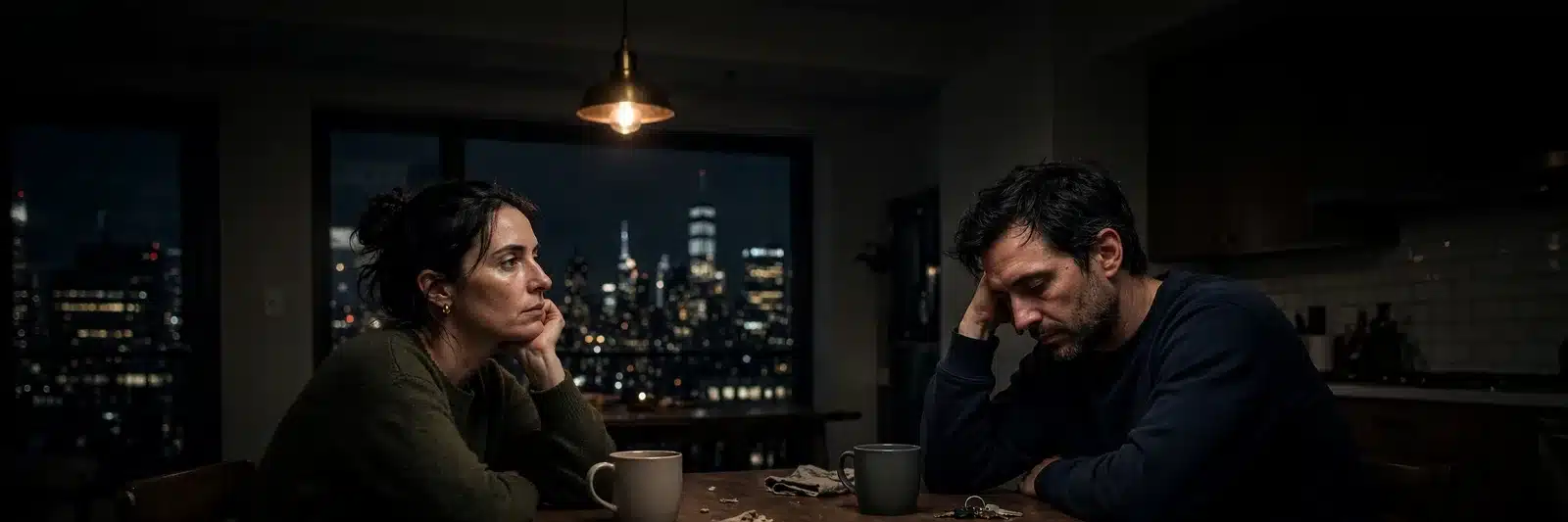
From the blog
What couples in Travis’s practice are reading right now

Is My Husband Autistic? What the Lonely Spouse in a Neurodiverse Marriage Is Really Feeling
The question did not arrive as a checklist. It arrived as a feeling, the one that lives in the half-second after you reach for him and your hand closes on air.

Relationship Counseling Questions: What To Expect In Couples Therapy And How To Prepare
Relationship counseling questions can feel intimidating before your first online couples therapy session, especially if you are a Manhattan or Brooklyn couple who has been holding everything together in public and unraveling in private.
Online Couples Therapy NYC: Research, Realities, and How It Serves Manhattan and Brooklyn Relationships
Something most senior couples therapists will tell you in private and almost never put on a website: the strongest predictors of whether therapy works are not the ones most couples shop for.

Is My Husband Autistic? What the Lonely Spouse in a Neurodiverse Marriage Is Really Feeling

The question did not arrive as a checklist. It arrived as a feeling, the one that lives in the half-second after you reach for him and your hand closes on air. He is a good man. He shows up, he pays the mortgage, he remembers the oil change a week…

Relationship Counseling Questions: What To Expect In Couples Therapy And How To Prepare
Relationship counseling questions can feel intimidating before your first online couples therapy session, especially if you are a Manhattan or Brooklyn couple who has been holding everything together in public and unraveling in private. You may wonder whether you will be judged, whether one partner will get blamed, or whether…

Online Couples Therapy NYC: Research, Realities, and How It Serves Manhattan and Brooklyn Relationships
Something most senior couples therapists in New York will tell you in private and almost never put on a website: the strongest predictors of whether online couples therapy NYC works are the clinician’s expertise and the fit between partners and the model. The couple also needs to show up, week…